How to Prepare for Your Winter Landscape Design Consultation
A successful yard renovation starts long before the first shovel hits the dirt. Homeowners planning spring projects often wait until the last minute to start organizing their thoughts, leading to rushed meetings and delayed timelines. Durham Hardscapes encourages clients to use the quiet winter months for detailed planning and layout rendering. A productive consultation requires a bit of homework on your end to ensure we capture your exact vision.
The more information you bring to your initial meeting, the faster we can generate realistic 3D renderings of your property. Knowing what documents to gather and what questions to ask yourself makes the entire process highly efficient. Proper preparation turns a vague idea into a concrete, executable plan.
In this article:
- Gathering property documents: Surveys and utility locations.
- Defining your functional needs: How you actually use the space.
- Setting a realistic budget: Aligning expectations with material costs.
- Collecting design inspiration: Communicating your visual preferences.
Locating Your Property Documents
One of the most frequent things people ask is what they need to prepare before hiring a landscape designer. The absolute first step is locating your property survey. This document shows your exact property lines, easements, and right-of-ways. Having this on hand prevents us from designing features that encroach on municipal boundaries or neighbor property lines.
If you live in a newer development in Whitby, your builder likely provided a grading plan. This is incredibly helpful for understanding your lot's drainage requirements. Any information regarding buried utilities, septic systems, or irrigation lines should also be collected before we meet.
Defining Your Daily Usage
A beautiful design is useless if it does not serve your daily life. Before our landscape design consultation preparation meeting, track how your family actually uses the outdoor space. Consider if you need a large area for entertaining, a safe zone for children to play, or a quiet spot for morning coffee.
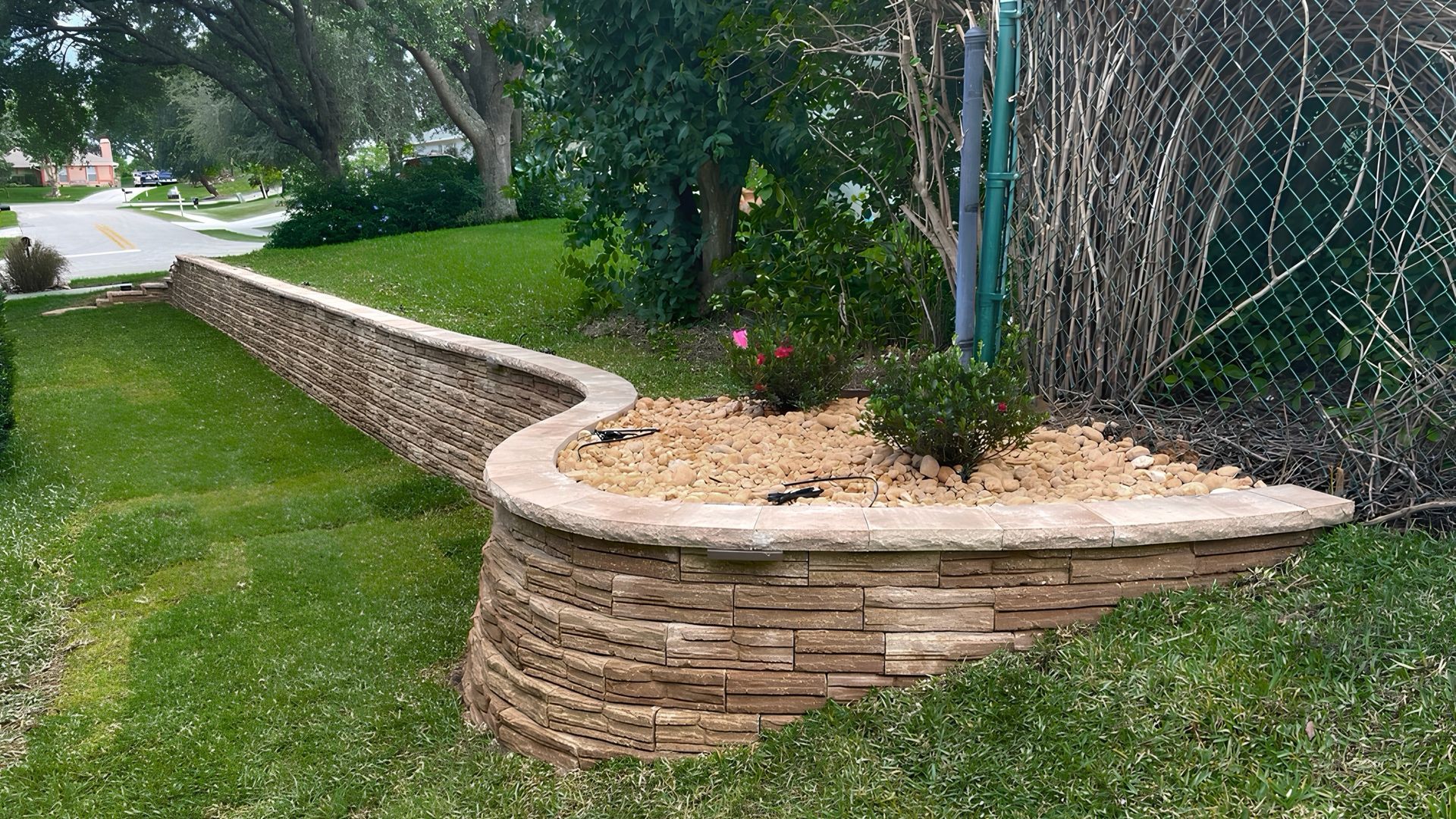
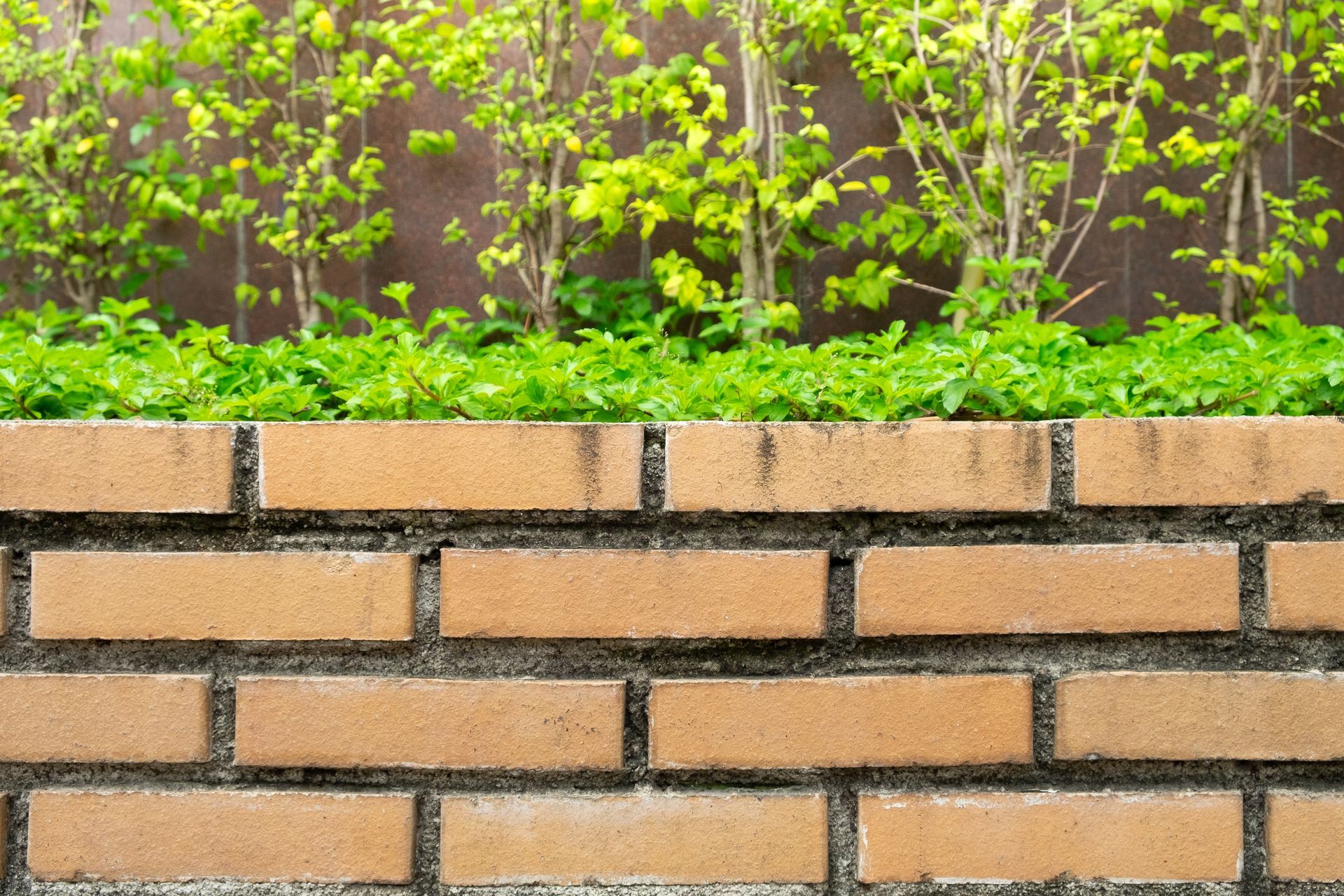
Think about the annoyances you currently deal with. Perhaps you have a muddy area where grass refuses to grow or a steep slope that makes mowing dangerous. Identifying these pain points allows us to design functional solutions, like a retaining wall or a strategic interlock walkway, to solve them permanently.
Establishing Financial Parameters
Discussing money upfront saves everyone time. Have a clear number in mind for what you are willing to invest in your property. We respect your budget and use it to guide our material recommendations.
Natural stone carries a different price point than manufactured concrete pavers. Knowing your budget allows us to present the best possible options within your financial comfort zone. It also helps us suggest phasing the project over several seasons if you have a grand vision that exceeds your current budget.
Curating Your Design Inspiration
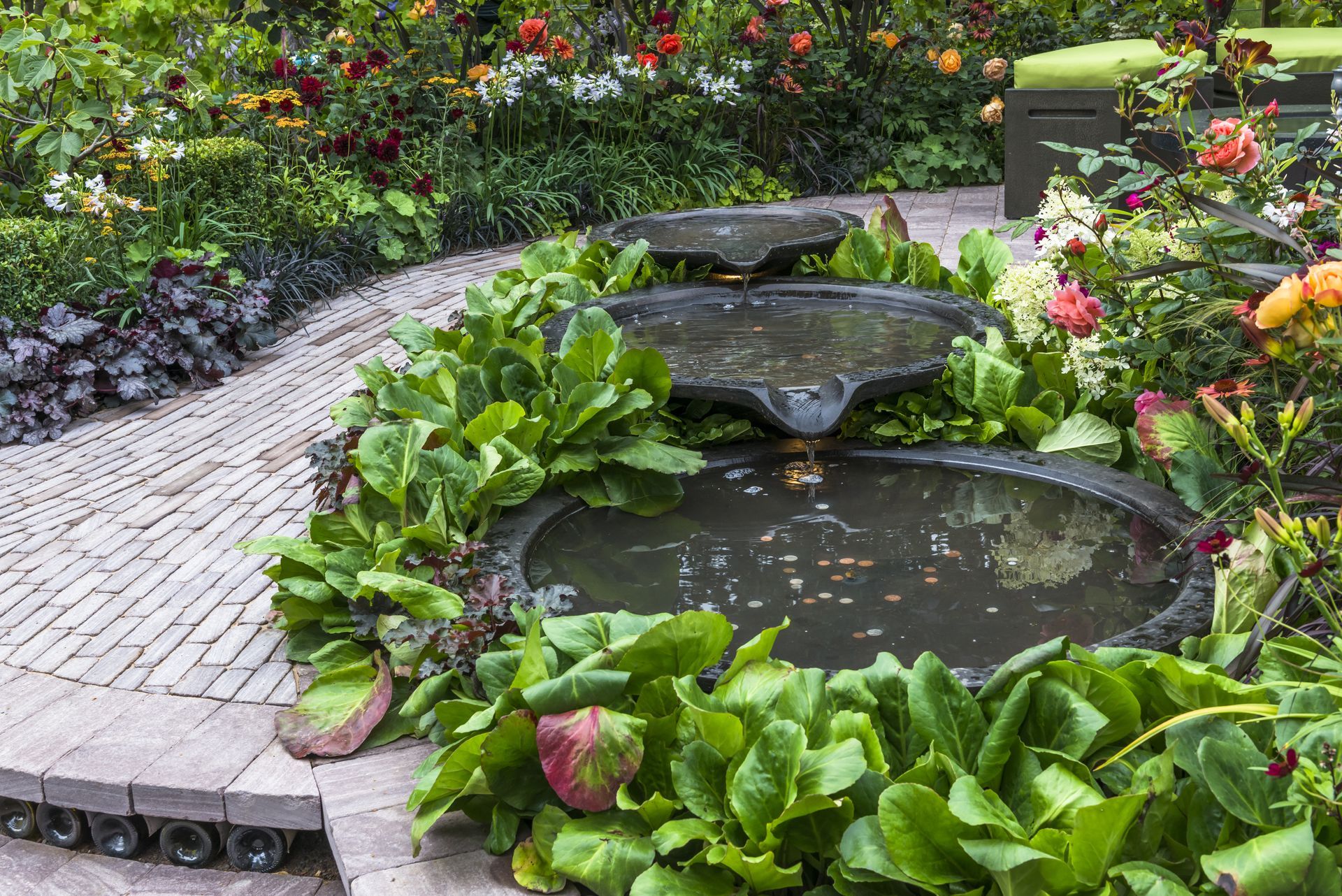
Visuals communicate much faster than words. Spend some time saving photos of landscapes, patios, and planting beds that catch your eye. Pay attention to the colors, textures, and general layout of the spaces you are drawn to.
You do not need to know the names of specific plants or stone cuts. We use your inspiration photos to identify your preferred style, whether that is modern and sleek or natural and rustic. This visual baseline informs our 3D design software, ensuring the first draft we present is closely aligned with your taste.
Moving Your Project from Concept to Blueprint
Gathering your surveys and inspiration photos now puts you in the best position for a fast spring build. Having a finalized design ready to go means your materials can be ordered and your project scheduled before the busy season begins. Contact our office to book your winter design meeting and get your plans on paper.
Share This Blog