Why You Must Fix Failing Erosion Control Walls Before Spring Melt
A leaning or bulging boundary wall is a ticking time bomb for your property structure. The excavation team at Durham Hardscapes receives emergency calls every spring from homeowners whose yards have completely washed out. Investing in heavy armour stone erosion control before the winter snow arrives is the only way to secure your land. Acting now prevents a minor structural leaning issue from turning into a catastrophic mudslide.
The constant pressure of frozen soil will completely destroy a retaining structure that is already showing signs of weakness. Attempting to run heavy machinery to fix a collapsed hillside in the middle of February is nearly impossible and incredibly expensive. Booking a professional replacement during the dry autumn months guarantees your borders are locked in place before the dangerous spring thaw.
Action Plan
- Stage 1: Assess the Structural Damage
- Stage 2: Schedule Heavy Equipment
- Stage 3: Protect the Vulnerable Soil
- Frequently Asked Questions
- Secure Your Property Borders
Stage 1: Assess the Structural Damage
You must inspect your existing boundary walls closely before the first frost hides the warning signs. Identifying small structural failures early gives you time to plan a proper heavy stone replacement.
• Visual Inspection: Look for deep cracks in the mortar or blocks that have physically shifted forward from the rest of the wall.
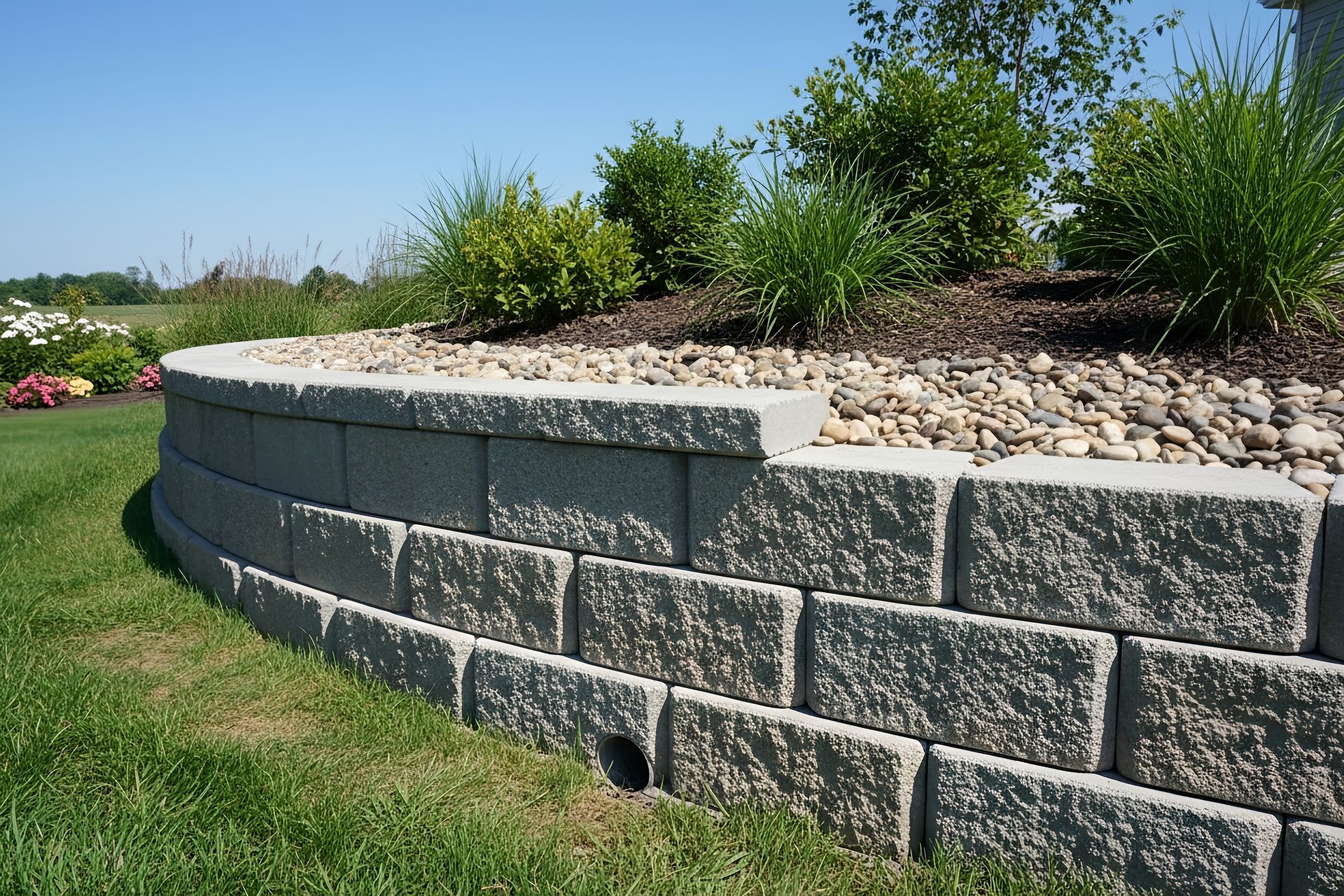
• Check Drainage: Notice if water pools directly behind the top of the blocks after a heavy rain instead of draining away safely.
• Measure the Lean: Use a standard level to see exactly how far the face of the structure is bowing outward toward your lawn.
Stage 2: Schedule Heavy Equipment
Moving massive natural boulders requires specialized track loaders and experienced operators. You must secure your spot on the schedule while the weather still permits safe machinery operation.
• Book the Excavator: Reserve a professional machine operator now while the autumn ground is still firm enough to support heavy tracks.
• Order the Stone: Source your jumbo flagstone and heavy armour rock early so the quarry can deliver the materials directly to your site.
• Plan the Access Route: Clear a wide path through your yard so the loaders can transport massive boulders without destroying your patio spaces.
► The single most important urgency fact: If a compromised wall collapses under the immense weight of wet winter snow, the resulting avalanche of mud will cost thousands of dollars more to clean up and rebuild in the spring.
Stage 3: Protect the Vulnerable Soil
The dirt directly behind the new rocks must be managed correctly to prevent future hydrostatic pressure. Your contractor must focus heavily on water management during the final installation phase.
• Install Weeping Tiles: Ensure the new trench includes professional drainage pipes to route groundwater entirely away from the back of the new stones.
• Backfill with Clear Gravel: Fill the void behind the rock exclusively with washed stone to prevent water from ever building up pressure against the wall again.
• Grade the Surface: Shape the topsoil slightly downward so surface runoff flows over the top of the rocks instead of soaking into the dirt behind them.
Frequently Asked Questions
How does armour stone stop soil erosion?
Armour stone utilizes sheer mass and gravity to hold back thousands of pounds of shifting earth. The extreme weight of the individual boulders makes them impervious to the frost heave that destroys lightweight concrete blocks. When stacked correctly on a compacted base, they create a permanent barrier that locks the hillside in place forever.
Can you install heavy landscape stone during the fall?
Yes, autumn is actually the best time to run heavy equipment for stone installation. The ground is typically dry and hard, providing excellent traction for the machines while minimizing deep mud ruts in your existing grass. Completing the earthworks before the soil freezes solid ensures the wall is ready to handle the heavy spring runoff.
What happens if a retaining wall fails in winter?
When a structural boundary fails during the winter, the frozen blocks and earth tumble forward and leave the hillside completely exposed. As the weather warms up, the unprotected mud turns to sludge and washes directly onto your lawn or driveway. You are then forced to pay premium emergency rates to excavate the frozen debris and stabilize the dangerous slope.
Secure Your Property Borders
Ignoring a failing boundary wall heading into winter is a massive risk to your landscape and your wallet. Sourcing heavy natural rock and booking the right machinery now ensures your property stays exactly where it belongs. You have a shrinking window of opportunity to fix these dangerous structural issues. Contact an experienced hardscape and excavation team today to lock in your autumn wall replacement before the ground freezes solid.
Share This Blog