Fall Sod Maintenance Guide for a Healthy Thanksgiving Yard Space
Preparing your property for Canadian Thanksgiving requires a healthy and vibrant lawn to host family gatherings. The team at Durham Hardscapes receives many calls about yellowing grass and thinning turf as the October weather sets in. Building a resilient root system before the cold arrives is the secret to surviving the winter freeze. Implementing a strict fall sod maintenance routine guarantees your yard remains an inviting space for your holiday guests.
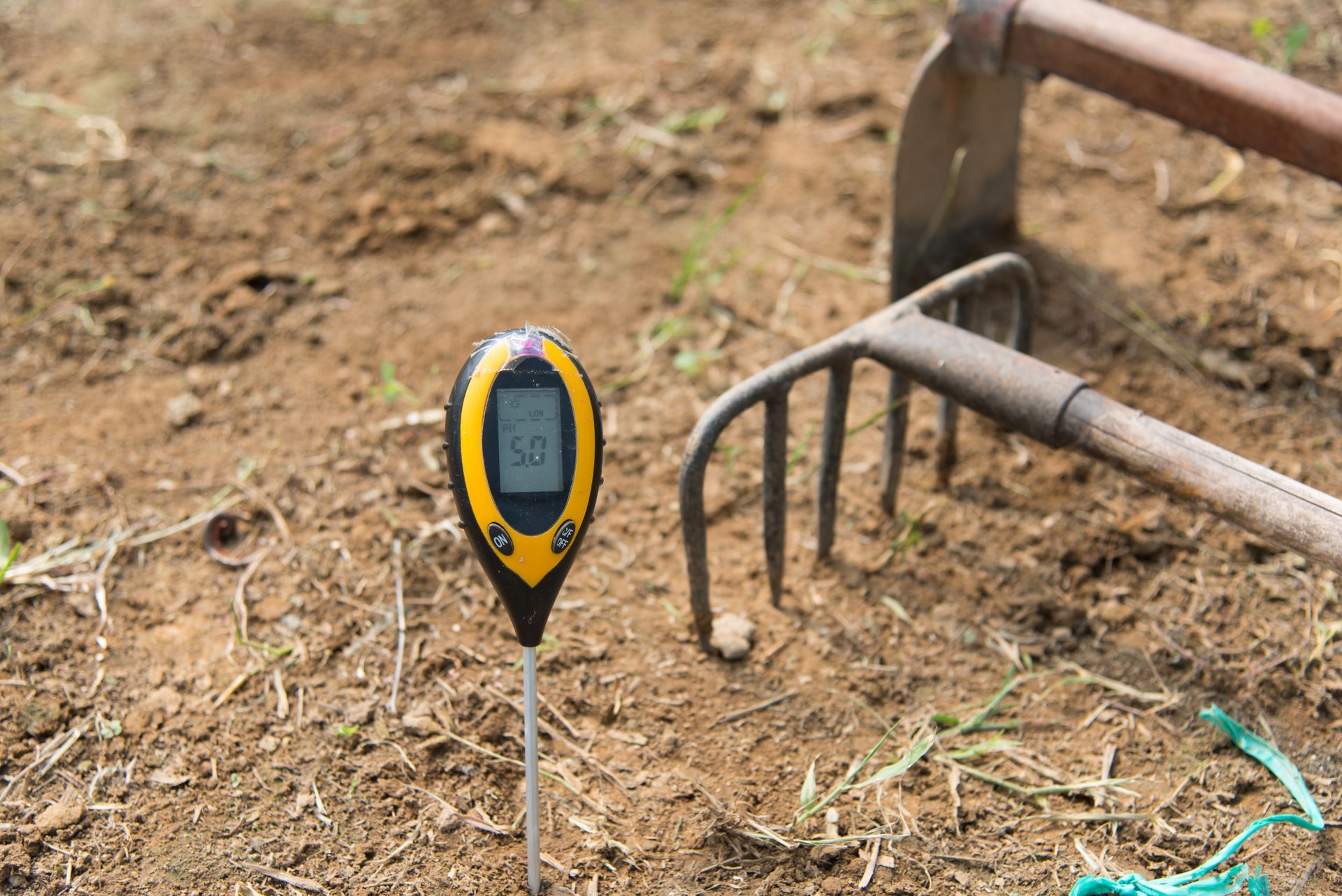
Taking care of newly laid turf in the autumn is vastly different from managing it during the spring growing season. The focus shifts away from rapid top growth and moves entirely toward deep root stabilization. By adjusting your watering habits and monitoring soil compaction, you protect the investment you made in your outdoor space. Knowing exactly what your grass needs during this transition period prevents costly dead patches next year.
What We Cover
- Immediate Fall Aftercare for New Turf
- Common Maintenance Mistakes That Ruin Sod
- Long-Term Soil Preparation and Protection
- Get Your Lawn Ready for October
Immediate Fall Aftercare for New Turf
The first few weeks after laying new grass require exact attention to moisture and sunlight levels. The cooler temperatures mean evaporation slows down, forcing you to adjust your standard summer watering schedule. Keeping the soil properly balanced encourages the roots to anchor themselves deeply before the ground freezes solid.
• Adjusted Watering: Reduce your irrigation frequency to prevent the soil from becoming a muddy swamp, but water deeply when you do run the sprinklers.
• Mowing Heights: Keep your mower blade raised slightly higher than normal to leave enough leaf surface for the grass to absorb weak autumn sunlight.
• Traffic Control: Keep heavy foot traffic, pets, and wheelbarrows completely off the new turf while the roots are actively attempting to knit into the topsoil.
Common Maintenance Mistakes That Ruin Sod
Homeowners regularly undo the hard work of professional sod installation by applying summer maintenance habits to a fall landscape. Ignoring the changing environmental conditions puts immense stress on young roots. Avoiding these specific errors keeps the grass from developing fungal diseases or burning out.
• Skipping Leaf Removal: Failing to rake the yard allows wet leaves to block sunlight and trap excess moisture against the delicate grass blades.
• Over Fertilization: Pumping high nitrogen summer fertilizers into the yard forces the grass to grow rapidly right when it should be going dormant.
• Ignoring Drainage: Allowing water from roof gutters to pool on the new turf causes the roots to rot away entirely within a few weeks.
Should I aerate my lawn in the fall?
Yes, fall is the ideal time to aerate your lawn, particularly in high traffic areas where the ground has compacted over the summer. Using a core aerator pulls small plugs of dirt out of the yard to drastically improve soil drainage and allow oxygen to reach the root zone. This process breaks up heavy clay and provides the perfect environment for new roots to expand before winter.
► The single most important maintenance fact: Leaving a thick blanket of fallen leaves on new sod will completely suffocate the grass and promote severe fungal rot before the first snowfall.
Long-Term Soil Preparation and Protection
The work you do in the fall dictates exactly how green and thick your lawn will be when the snow finally melts next spring. Preparing the soil for a long sleep involves strengthening the plant cells against freezing temperatures. A proactive approach to soil health saves you hours of repair work in the future.
• Winterizing Fertilizer: Apply a potassium heavy formula designed specifically to thicken cell walls and protect the root system against hard frosts.
• Top Dressing: Spread a very thin layer of fine compost over the aerated lawn to slowly feed organic matter down into the root zone all winter.
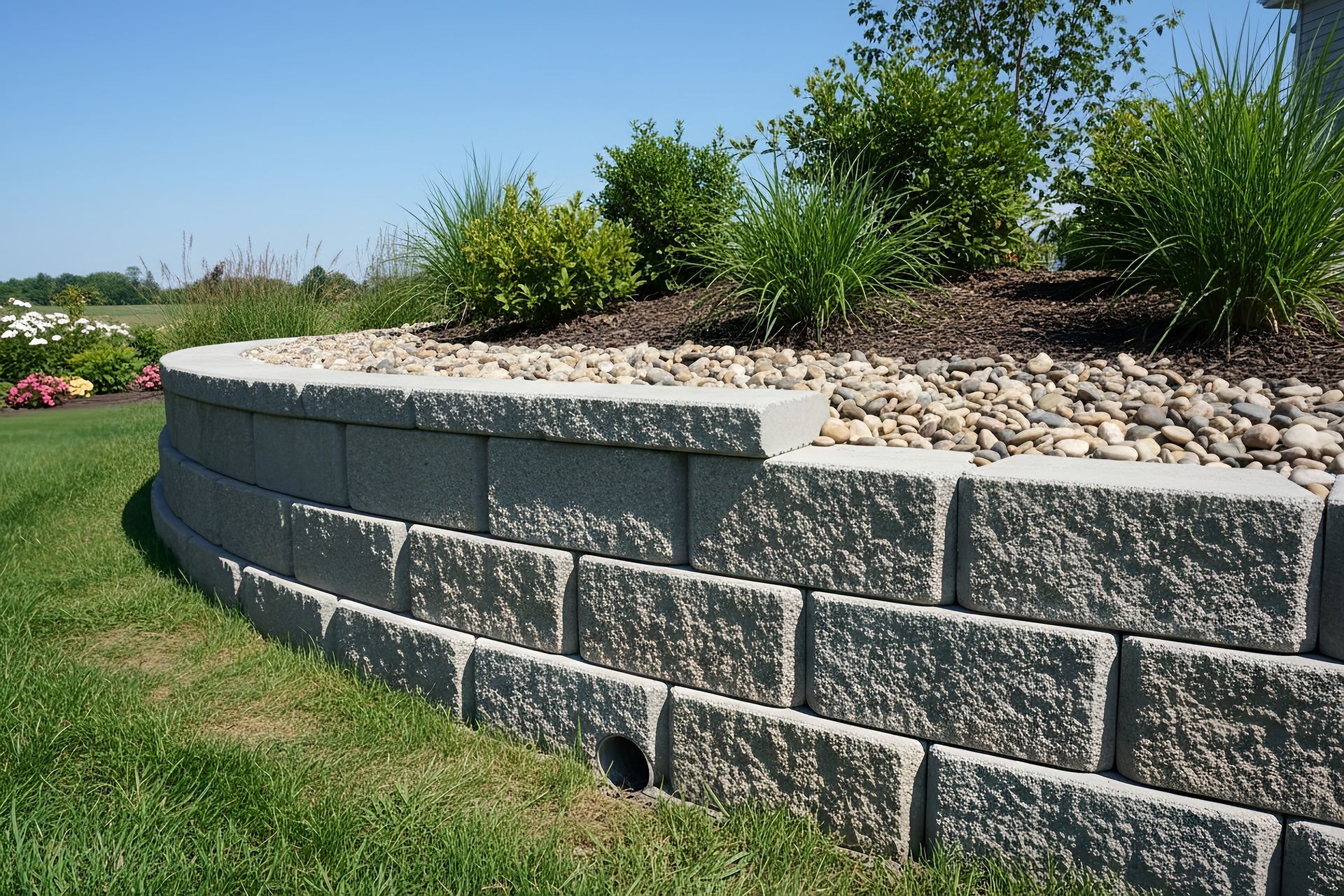
• Boundary Checks: Ensure your retaining walls and garden borders are clearing water properly so ice does not build up over the edges of your lawn.
Get Your Lawn Ready for October
Protecting your new grass requires deliberate actions tailored to the dropping temperatures and increased rainfall of autumn. Following a strict maintenance checklist ensures your property looks immaculate when guests arrive for holiday dinners. You have the power to build a resilient, deep green yard by simply adjusting your seasonal habits.
Reach out to a local turf professional to schedule your core aeration and get your property winter ready.
Share This Blog