4 Crucial Steps to Protect Your Custom Water Feature This Fall
A beautifully designed backyard pond or fountain becomes a massive liability the moment temperatures drop below freezing. Frozen water expands with enough force to shatter pipes, crack expensive stone, and destroy specialized electrical pumps in a single night. The specialists at Durham Hardscapes strongly advise winterizing these systems before the first hard frost hits Port Perry. Learning how to properly winterize a water feature protects your landscape investment from catastrophic winter damage.
Ignoring the seasonal shutdown process often leads to thousands of dollars in replacement costs next spring. Water left inside a rigid PVC pipe has nowhere to go when it turns to ice, causing the line to split open entirely underground. Taking the time to drain and seal the system removes the threat of mechanical failure. Following a strict winterization checklist guarantees your fountain runs perfectly when the warm weather returns.
What We Cover
- Tip #1: Remove and Store the Submersible Pump
- Tip #2: Drain the Plumbing Lines Completely
- Tip #3: Clear Organic Debris from the Basin
- Tip #4: Protect the Natural Stone Surfaces
- Frequently Asked Questions
- Secure Your Hardscape for Winter
Tip #1: Remove and Store the Submersible Pump
The heart of your water feature is the electric pump that keeps the flow moving. Leaving this delicate mechanical piece submerged in freezing water will shatter the plastic housing and destroy the internal impeller.
• Disconnect Power: Always flip the dedicated breaker to the off position before reaching into the water to unhook the pump lines.
• Deep Cleaning: Scrub the intake screens with a stiff brush to remove summer algae and hard water deposits before storing the unit.
• Indoor Storage: Place the cleaned pump in a bucket of distilled water inside a heated garage to keep the rubber seals from drying out and cracking over the winter.
Tip #2: Drain the Plumbing Lines Completely
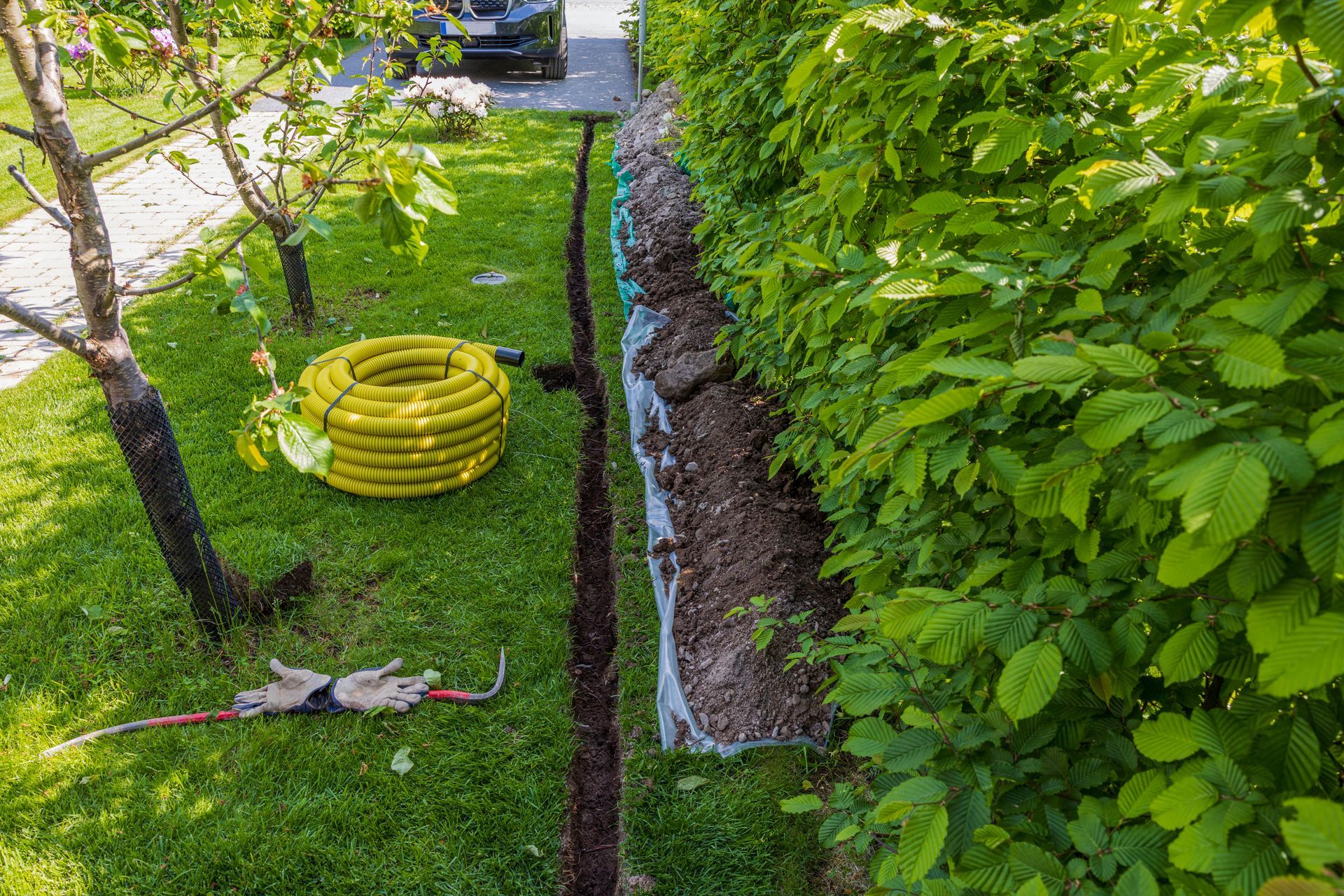
Underground pipes are completely blind to the eye, meaning a hidden crack from winter ice will silently leak hundreds of gallons of water into your yard next spring. You must remove every drop of sitting water from the internal plumbing.
• Open the Valves: Open all ball valves and release spigots to allow gravity to pull as much water out of the pipes as possible.
• Air Compressor Blowout: Use an air compressor to force high pressure air through the lines until nothing but dry air spits out the other end.
• Cap the Ends: Install threaded winterizing plugs on the open ends of the pipes to stop melting snow from creeping back into the lines during January thaws.
Tip #3: Clear Organic Debris from the Basin
Fall leaves and dead plant matter left in the bottom of a pond basin will rot under the winter ice. This decomposition releases toxic gases that stain the stone and create a foul smelling sludge that is miserable to clean in the spring.
• Skim the Surface: Use a heavy duty pool net to scoop out all floating twigs, leaves, and dead bugs before draining the main basin.
• Shop Vacuum Finish: Use a wet dry vacuum to suck up the thick layer of mud and gravel sitting at the very bottom of the feature.
• Scrub the Waterline: Wash away the dark algae ring that formed along the edge of the stone to prevent it from baking into the rock permanently.
Tip #4: Protect the Natural Stone Surfaces
Even without flowing water, the stone basin itself is vulnerable to the elements. Porous rocks can absorb melting snow, which then freezes at night and causes the face of the stone to flake away.
• Apply Sealer: Coat the dry stone with a breathable, penetrating masonry sealer to repel standing water and block moisture absorption.
• Cover the Feature: Tightly secure a heavy duty, waterproof tarp over the entire structure to keep heavy snow loads off the delicate decorative rocks.
• Check Drainage: Ensure the ground immediately surrounding the feature is graded away so melting yard snow does not flood the empty basin.
Frequently Asked Questions
Do I need to remove the submersible pump for winter?
Yes, any pump that sits directly in the water must be pulled out and stored inside a frost free location. The plastic casing and internal rubber seals will fail if exposed to freezing temperatures or if surrounded by a solid block of ice. Storing it in a heated area ensures the mechanics remain intact for the next season.
How do you drain underground water feature pipes?
Gravity alone is rarely enough to clear water out of buried lines that feature dips and elbows. A professional contractor uses an industrial air compressor hooked directly to the main plumbing line to physically blow the sitting water out of the system. This forced air technique is the only guaranteed way to prevent hidden ice expansion.
Can natural stone crack if left wet during freezing?
Porous materials like sandstone or heavily textured limestone will absolutely crack if they absorb water right before a deep freeze. The water expands inside the microscopic pores and blows the surface of the stone apart in a process called spalling. Sealing the stone and covering the basin prevents this mechanical weathering from occurring.
Secure Your Hardscape for Winter
Leaving your outdoor plumbing exposed to dropping temperatures is a gamble that always ends in expensive repairs. Taking a methodical approach to draining the lines and protecting the pump ensures your system survives the coldest months untouched. You can rest easy knowing your outdoor oasis is safely tucked away until the spring thaw. Contact a local landscape professional to blow out your plumbing lines and correctly winterize your water feature today.
Share This Blog