Why Your Paver Patios Sink and How to Fix Them Before Labour Day
A sinking patio is more than just an eyesore for your property. It creates immediate tripping hazards for your family and guests while making the outdoor space nearly impossible to use comfortably. The team at Durham Hardscapes sees this issue frequently when evaluating older properties ahead of the late summer hosting season. Understanding the root cause of the settling is the only way to plan a proper paver patio repair that lasts.
When hardscape features begin to drop and shift, the pavers themselves are rarely the actual problem. The failure almost always lies hidden in the layers of material buried beneath the surface. Identifying exactly where the sub-base failed dictates the entire repair process. Fixing the foundation properly ensures you can enjoy your outdoor space without worrying about loose stones every time you step outside.
What We Cover
- The Hidden Root of Patio Failure
- Why DIY Fixes Often Make the Problem Worse
- Rebuilding the Base for Long-Term Stability
- Time to Fix Your Patio Base
The Hidden Root of Patio Failure
Hardscaping requires a highly compacted foundation to handle the weight of daily foot traffic and patio furniture. When contractors rush the installation phase by using inadequate aggregate or failing to compact the soil, the ground eventually settles unevenly. This poor preparation creates voids under the surface that allow individual stones to drop.
Why are the pavers on my patio sinking?
The pavers on your patio are sinking because the base material underneath them has washed away, settled, or completely failed. Poor drainage frequently traps water beneath the stones and slowly erodes the foundational sand and gravel layers. Once that supportive layer disappears, the heavy stones have nothing to rest on and sink directly into the resulting gaps. Fixing this requires excavating the affected area to establish proper drainage and a brand new compacted base.
→ From a professional standpoint: Proper grading and compacted base layers are the only true defense against sinking hardscapes.
Why DIY Fixes Often Make the Problem Worse
Many homeowners attempt a quick paver patio repair by prying up the sunken stones and dumping play sand into the hole. This method ignores the underlying drainage failure and guarantees the pavers will simply sink again after the next heavy rain. Uncompacted sand lacks the structural integrity needed to lock the surrounding stones in place.
It is a pattern the team at Durham Hardscapes hears regularly when stepping in to fix failing walkways and outdoor spaces.
► Client Experience: We are absolutely thrilled with the work Christian and his team did on our property. From the moment we started conversations about the designs of the new decks, to the finished work, Christian was professional, knowledgeable, and respectful of our property and busy schedules. The decks are beautiful and we look forward to spending many years enjoying them. We also had some tweaking done to our front stonework that has made the walkway look brand new. We can't say enough about Durham Hardscape, Christian, and his team. We will be recommending them to our friends and family. Thanks again, Christian!
Correcting existing stonework problems requires the same professional knowledge as building a brand new installation.
Adding uncompacted material actually destabilizes the adjacent pavers by changing how water flows beneath the surface. A failed DIY fix often forces a contractor to remove a much larger section of the patio to correct the newly created slope issues. You save significant time and money by addressing the base failure correctly the first time.
→ A quick tip to remember: Adding loose sand under a sunken paver acts like a sponge that accelerates future settling.
Rebuilding the Base for Long-Term Stability
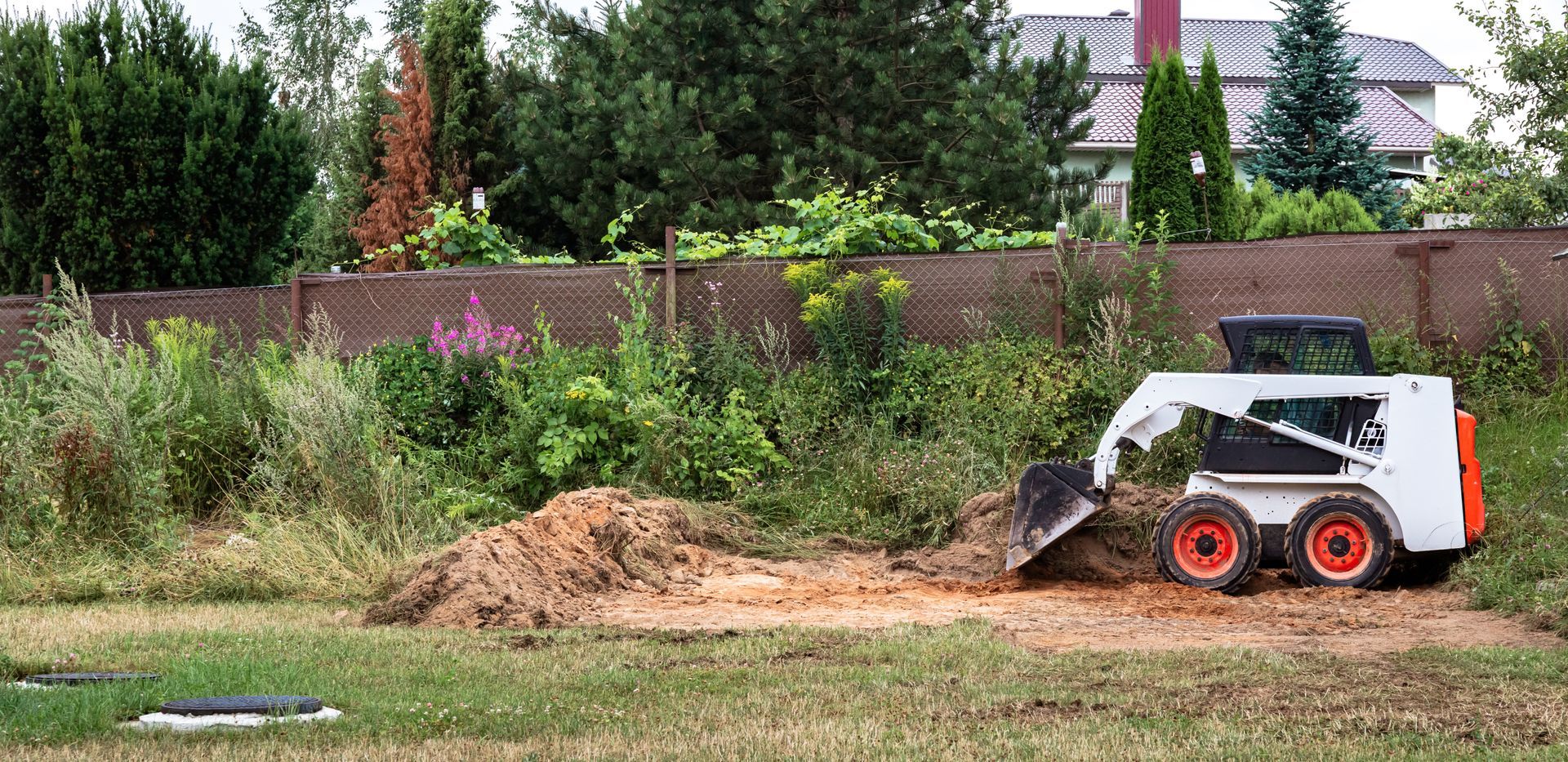
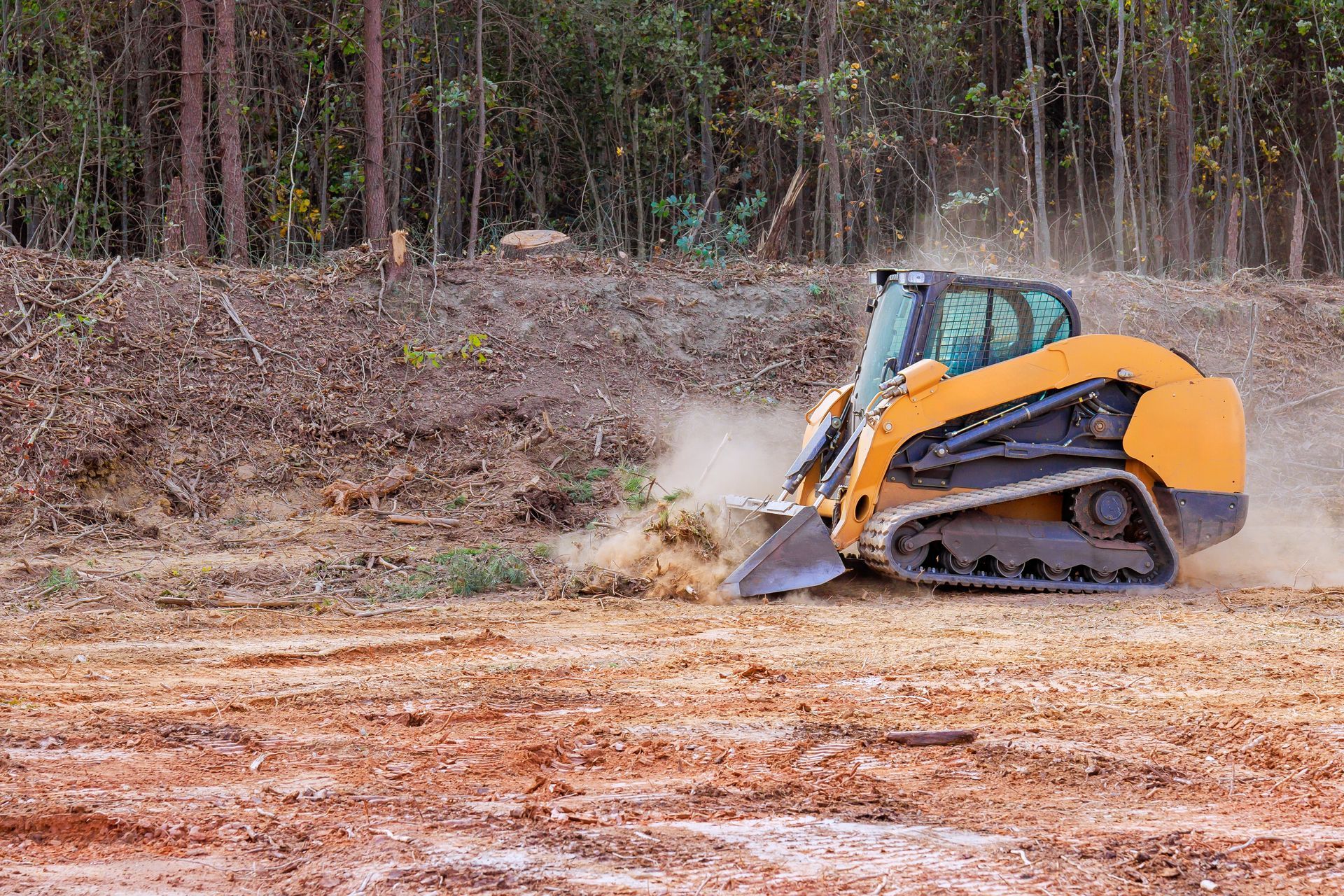
A lasting repair requires removing the affected pavers and digging down to the stable subsoil. Contractors then add a heavy layer of crushed gravel and compact it using heavy machinery to create an immovable foundation. This process restores the proper pitch to the patio so water flows naturally off the surface instead of pooling in the center.
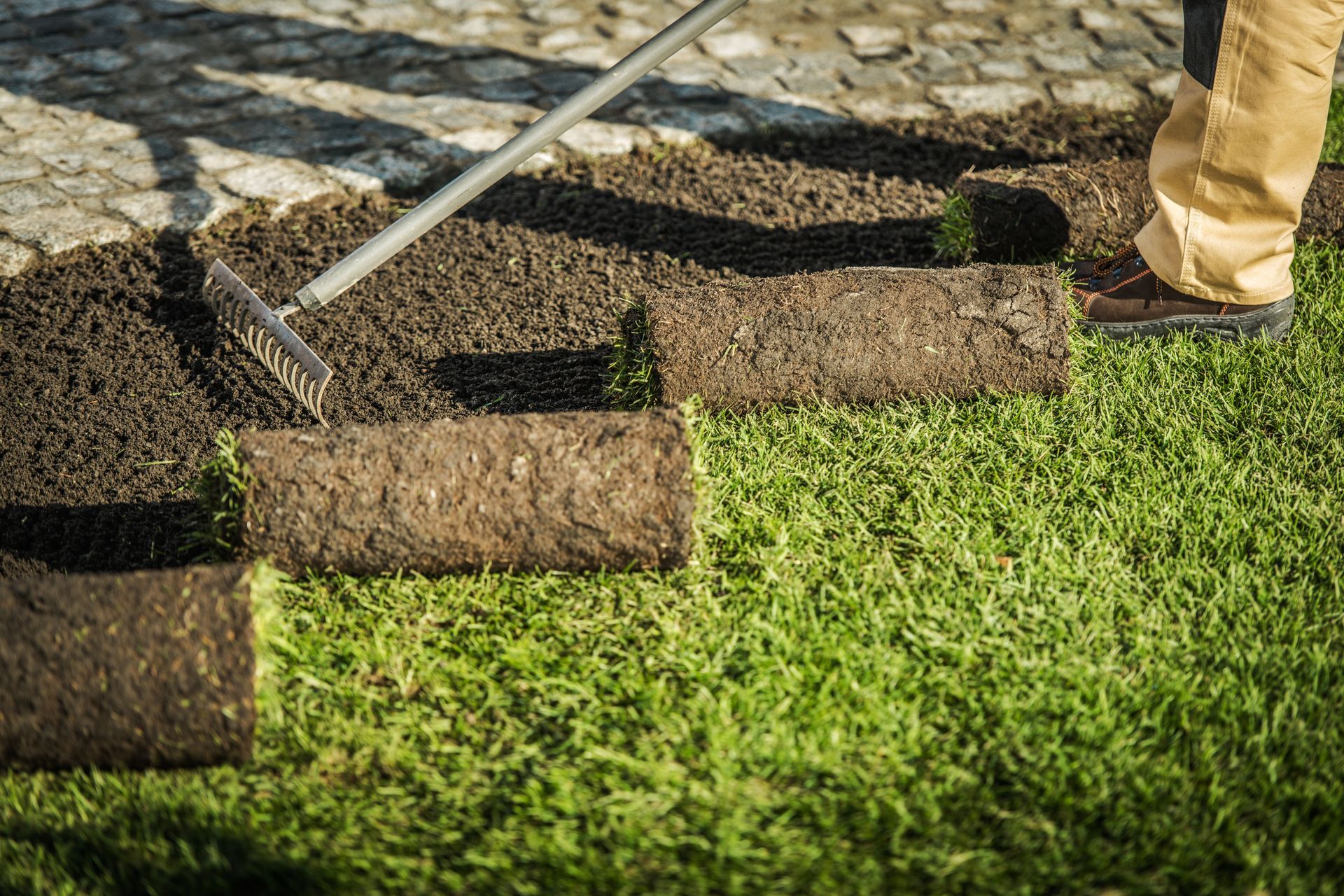
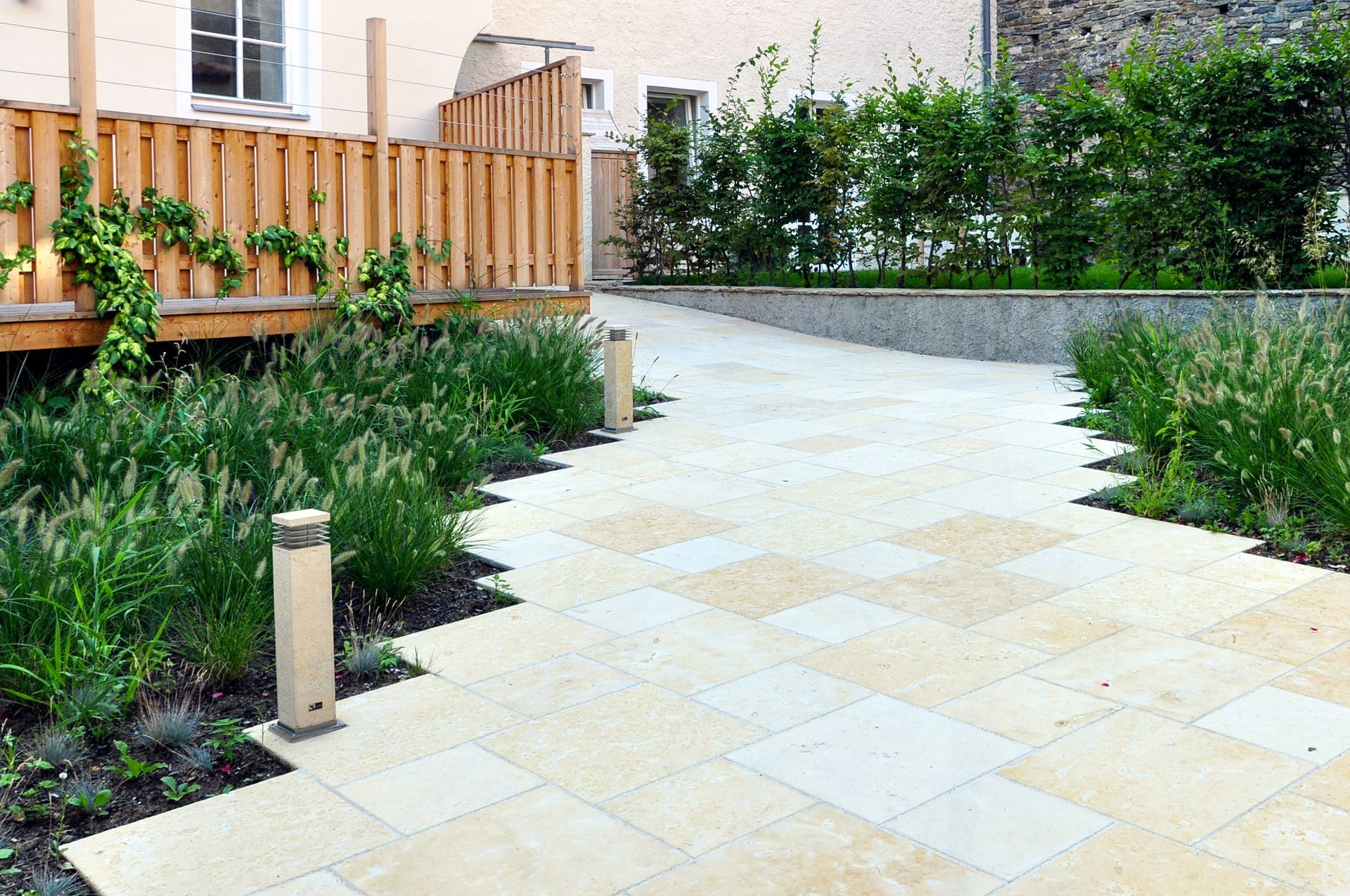
Bedding sand is then screeded over the compacted gravel to provide a perfectly level setting bed for the stones. The original pavers are locked back into place using polymeric sand swept into the joints. This specialized sand hardens to prevent weed growth and stops water from washing away the new base layers.
→ From a professional standpoint: Reusing your existing pavers is entirely possible as long as the foundation is rebuilt to trade standards.
Time to Fix Your Patio Base
Knowing how the base layers support your outdoor space makes it easier to spot small problems before they turn into major hazards. Proper grading and solid compaction keep your property safe and ready for hosting friends and family all season long. You deserve an outdoor living area that remains perfectly level year after year. Reach out to a qualified contractor to assess your sinking stones and schedule a permanent repair.
Share This Blog