The Honest Truth About Retaining Wall Lifespans: Concrete vs Stone

Durham Hardscapes • August 25, 2026

Investing in a heavy duty retaining wall is a major decision that permanently alters the layout and stability of your property. Property owners often assume that any heavy block placed into a hillside will automatically hold back the earth forever. The experts at Durham Hardscapes know that the materials you choose and the hidden construction methods dictate the true lifespan of the structure. Comparing retaining wall materials honestly is the best way to ensure your property remains stable for decades.


Different materials react to the constant pressure of wet soil and freezing temperatures in completely different ways. What looks perfect on the day of installation can easily bow, crack, or lean within a few short years if the product fails. Setting realistic expectations about how concrete and natural stone age saves you from unpleasant surprises down the road. Understanding the reality of these hardscape products allows you to build a wall that actually lasts.


Inside This Article


  1. The Reality of Block Wall Degradation
  2. Why Natural Stone Outlasts the Alternatives
  3. The True Cost of Skipping Proper Drainage
  4. Frequently Asked Questions
  5. Securing Your Property Long Term


The Reality of Block Wall Degradation


Manufactured concrete blocks are incredibly popular because they offer a uniform look and are generally faster for a crew to install. However, the reality is that concrete is a porous material that absorbs moisture from the soil directly behind it. During the harsh winter months, this trapped moisture freezes and expands, slowly degrading the face of the blocks over multiple seasons.


Many homeowners underestimate how quickly the color fades on manufactured products when exposed to constant sunlight and harsh weather. While concrete blocks provide excellent initial strength, the mortar joints and the blocks themselves will eventually require maintenance to prevent structural cracking. You have to accept that a concrete system has a finite lifespan heavily dictated by local climate conditions.


→ From a professional standpoint: Concrete systems are functional and clean, but they will inevitably weather and fade much faster than naturally quarried materials.


Why Natural Stone Outlasts the Alternatives


Using heavy armour stone or natural stone boulders changes the entire dynamic of the retaining structure. These materials were formed in the earth over millions of years and are completely impervious to the freeze and thaw cycles that destroy manufactured concrete. Natural stone does not fade, crumble, or lose its structural integrity regardless of how harsh the weather becomes.


This unmatched durability is something clients notice firsthand when upgrading their landscape borders.


► Client Experience: Christian and the team did an incredible job from first conversation through final install. Great communication throughout the project, including collaboration with other contractors and respect for the neighbours and their properties. We are incredibly happy with the finished look of the walkways and armour stone edging they installed.


Heavy stone features deliver a level of permanence and visual weight that manufactured blocks simply cannot replicate.


The trade off is that natural stone requires heavy excavation equipment and highly skilled operators to place correctly. The stones are irregular, meaning the crew has to painstakingly select and fit each piece to ensure the wall is stable and visually balanced. While the upfront investment in labor is higher, the resulting wall will likely outlast the home itself.


→ A quick tip to remember: Natural stone requires zero maintenance and actually looks better as it ages and blends into the surrounding landscape.


The True Cost of Skipping Proper Drainage


The biggest misconception in hardscape construction is that the sheer weight of the stones is what holds the hillside back. The reality is that hydrostatic pressure from trapped water is powerful enough to push over even the heaviest armour stone walls. Skipping the drainage stone and weeping tiles behind the wall is a guaranteed recipe for total structural failure.


Homeowners often look for ways to cut costs by reducing the amount of clear gravel used to backfill the trench. This is a fatal mistake that forces the soil to hold water directly against the back of the wall, increasing the weight the structure has to support by thousands of pounds. A properly built wall is actually a hidden drainage system that just happens to be faced with heavy stone.


→ From a professional standpoint: Investing in premium wall materials is pointless if you do not equally invest in the hidden drainage infrastructure behind them.


Frequently Asked Questions


Why do concrete retaining walls crack over time?


Concrete walls crack due to the continuous cycle of moisture absorption and freezing temperatures. When water seeps into the porous concrete and freezes, it expands and causes micro fractures within the block itself. Over several years, these small fractures connect and cause the face of the block to split or flake away entirely.


Does natural stone require drainage behind it?


Yes, every type of retaining structure absolutely requires a dedicated drainage system installed directly behind the wall. Even though natural stone will not degrade from moisture, the sheer pressure of saturated soil will physically push the boulders out of alignment. A thick layer of clear gravel and a perforated pipe must be used to route water safely away from the base.


Which wall material lasts the longest in Ontario?


Large natural armour stone is undeniably the longest lasting material for holding back earth in cold climates. Because it is naturally dense and weather resistant, it ignores the harsh winter freezing that slowly destroys manufactured concrete. When installed with proper drainage, an armour stone wall provides permanent erosion control that never needs replacing.


Securing Your Property Long Term


Protecting your land from erosion requires a clear understanding of how different building materials perform in the real world. Acknowledging the limitations of concrete and the heavy duty permanence of natural stone helps you align your budget with your long term goals. You can achieve a beautiful, steadfast landscape by focusing on quality materials and strict construction standards. Reach out to an experienced hardscape professional to evaluate your hillside and design a wall that stands the test of time.


Share This Blog
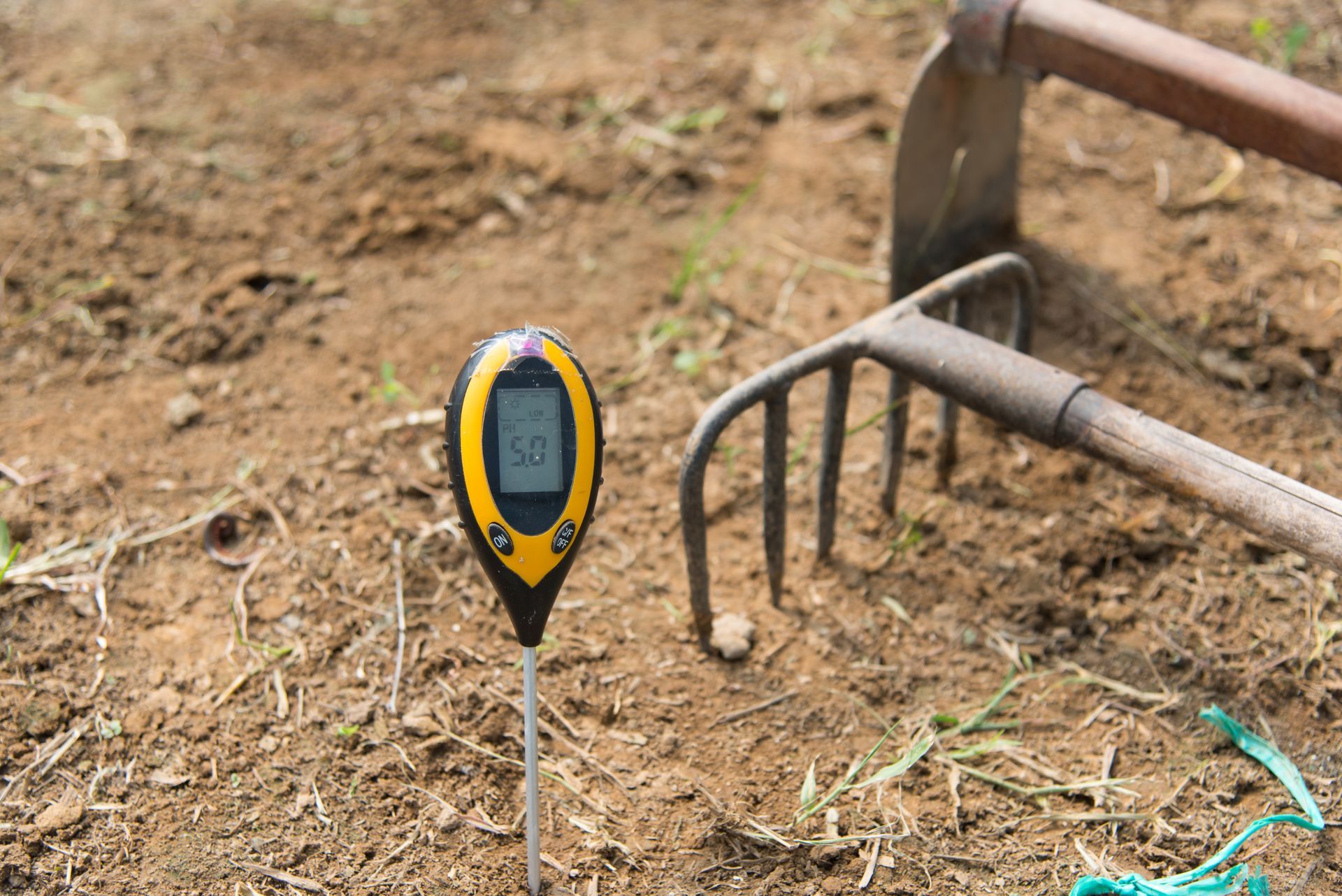
Digital soil moisture meter beside a metal garden rake on dry ground
By Durham Hardscapes August 19, 2026
Don't let new plants fail. Understand local soil pH, texture, and drainage requirements in Durham Region before investing in expensive garden additions.
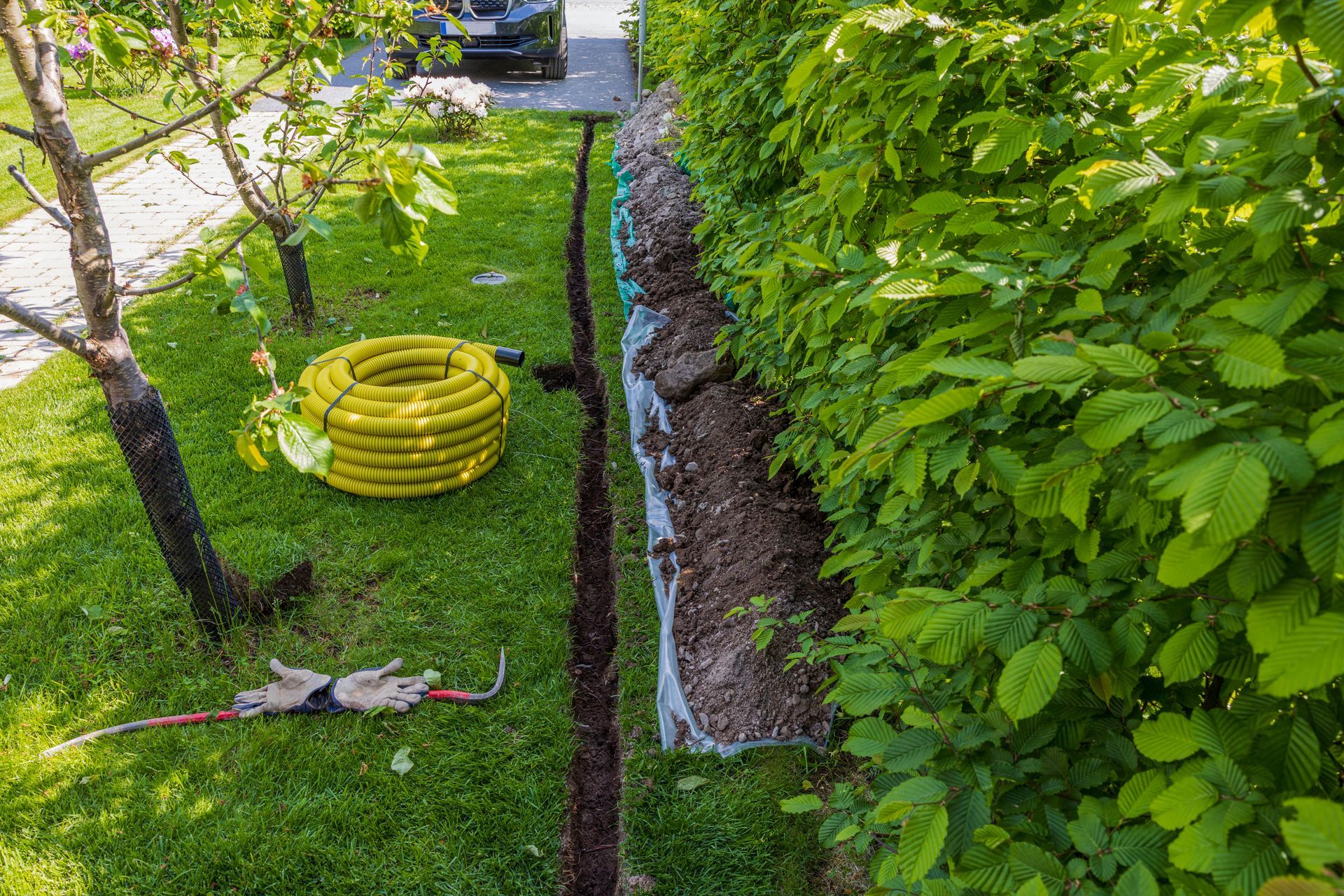
Garden path with a coiled yellow hose, shovel, and a narrow trench beside green shrubs and trees
By Durham Hardscapes August 11, 2026
Stop dealing with a soggy lawn. Learn how correct trenching depth and subsurface pipe installation solve persistent yard drainage problems in Port Perry.
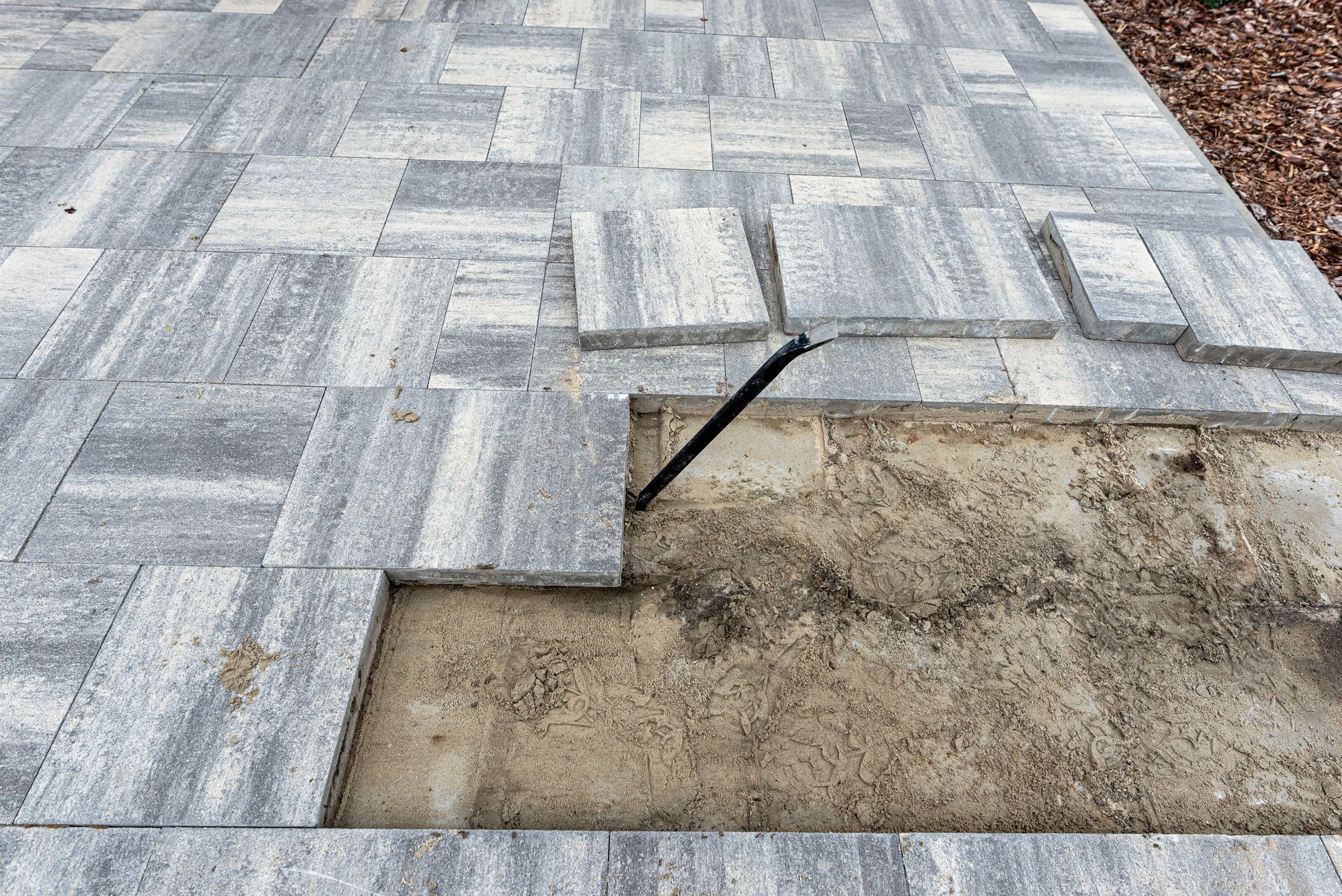
Partially installed gray brick paver walkway with an exposed dirt patch and lifted edging strip
By Durham Hardscapes August 5, 2026
Is your uneven patio a tripping hazard? Discover why base failure causes pavers to sink and how to permanently repair your hardscape before Labour Day.
By Durham Hardscapes July 29, 2026
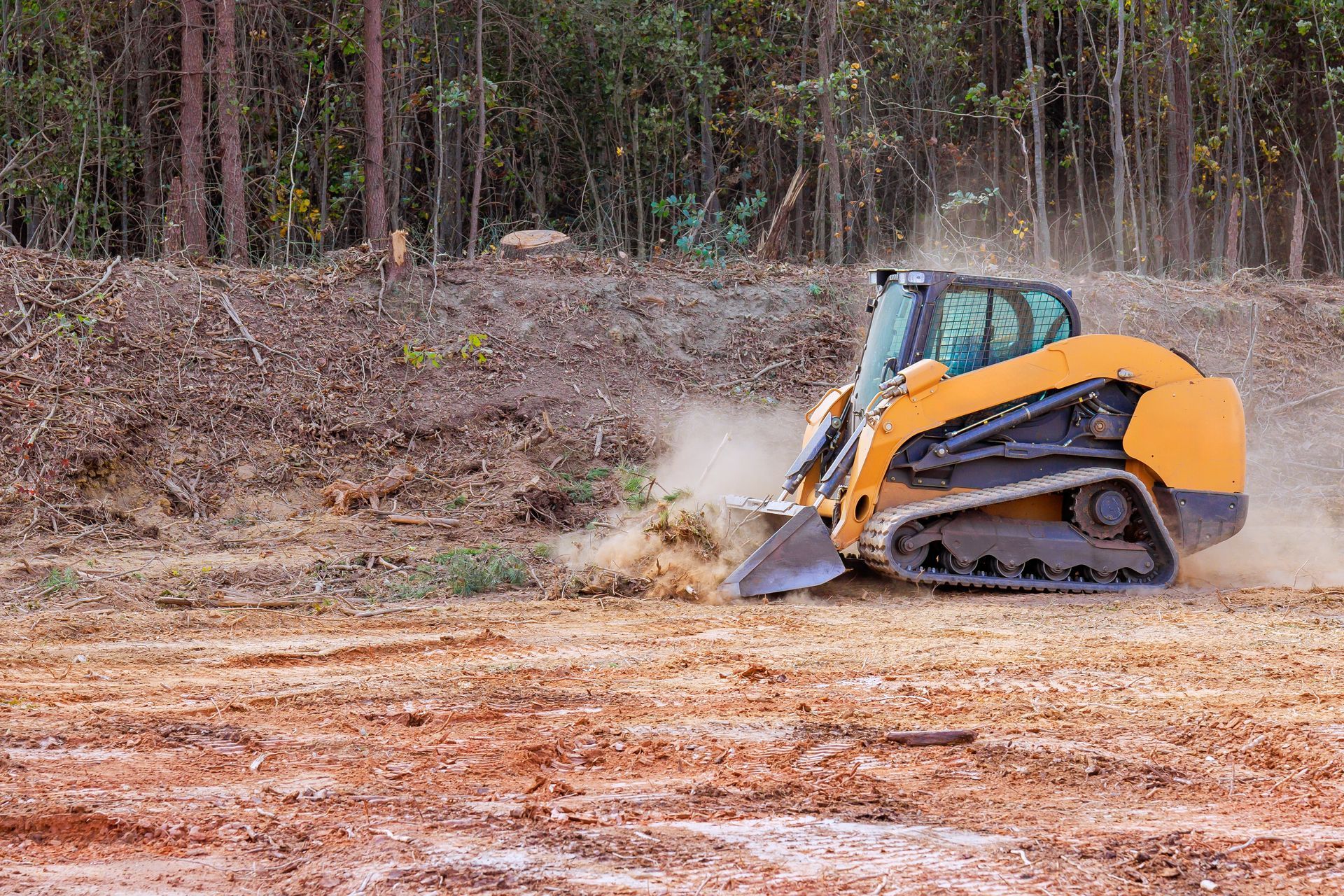
If you’re planning an outdoor transformation in Port Perry, Sunderland, Lindsay, or anywhere across Durham Region, starting with a clean slate is key. Professional land clearing sets the foundation for successful landscaping, hardscaping, or new construction. With summer in full swing and long weekends ahead, now is an ideal time to break ground on your backyard upgrade or property development. But is hiring a professional for land clearing really necessary? Let’s dig into when and why it pays to bring in the experts—especially for residents and businesses in Ontario’s dynamic and growing communities. What Exactly Is Professional Land Clearing? Land clearing is more than just cutting down a few trees or removing brush. It’s a systematic process that prepares your site for construction, landscaping, gardens, patios, or driveways. In the hands of professionals like the Durham Hardscapes team, land clearing involves: Full site assessment for tree, root, and vegetation removal Safe stump grinding and disposal Responsible debris management and recycling Grading and leveling for proper drainage Minimizing environmental impact, protecting natural habitats So, Why Invest in Professional Land Clearing? The temptation to DIY land clearing can be strong, but the risks and complexity often outweigh potential savings. Here’s why: Safety First Land clearing equipment is powerful and potentially dangerous. The Durham Hardscapes crew is fully insured and trained, ensuring both your property and personal safety. Stump removal, in particular, requires specialized knowledge to avoid damaging underground utilities—a common concern in areas like Whitby, Oshawa, and Ajax where infrastructure can be tricky. Preserving Local Ecosystems Our region’s unique flora and fauna deserve thoughtful consideration. Professionals use methods that minimize disruption, protect healthy trees, and follow local regulations for vegetation clearing. Compliance with Local Bylaws Municipalities such as Bowmanville, Courtice, and Port Hope have strict rules about tree removal and grading. Knowing where and how much you can clear isn’t always obvious, but experts keep your project compliant and on track. Preparation for Long-Term Success Proper site preparation prevents headaches down the road—think shifting patios, pooling water, or unstable retaining walls. Clearing land the right way promotes the longevity and durability of your new landscape or hardscape investment. When Is the Best Time to Schedule Land Clearing? One of the most common questions we hear is, “When is the best time for land clearing in Ontario?” While professional teams work year-round, summer is the prime season. Here’s why July is perfect for your next project: The ground is dry and workable, which means less mess and faster progress Holiday weekends like Canada Day allow you to oversee work if desired Clearing in summer means your site is ready for fall planting, hardscaping, or construction Early preparation makes you eligible for scheduling priority with busy local crews Trending Question: Do I Need a Permit for Land Clearing in Durham Region? In many Durham Region municipalities, you will need a permit or to meet specific guidelines before significant tree or vegetation removal. This is especially true for areas near water or environmentally sensitive zones. A professional land clearing service will handle the paperwork and communications with local authorities so you don’t risk fines or delays. Local Benefits: Why Hire Durham Hardscapes? Choosing a locally trusted company like Durham Hardscapes means: In-depth knowledge of local regulations and optimal clearing techniques A commitment to protecting your property value and community environment Transparent pricing and collaborative project planning Support for local hiring and eco-friendly disposal methods  Getting Started If you’re on the fence about investing in professional land clearing, remember that a well-prepped site is the first step toward a worry-free, beautiful outdoor space. Whether you’re looking to install a new patio, start a garden, or build a custom firepit, the groundwork makes all the difference. Ready to break ground on your next project in Port Perry, Sunderland, Lindsay, Bowmanville, or anywhere across Durham Region? Schedule a free, no-obligation consultation with Durham Hardscapes. We’ll walk your site, answer your questions, and help you plan the perfect start for your outdoor transformation—so you can enjoy your space all year long. Visit our website or call today to get on the summer schedule.
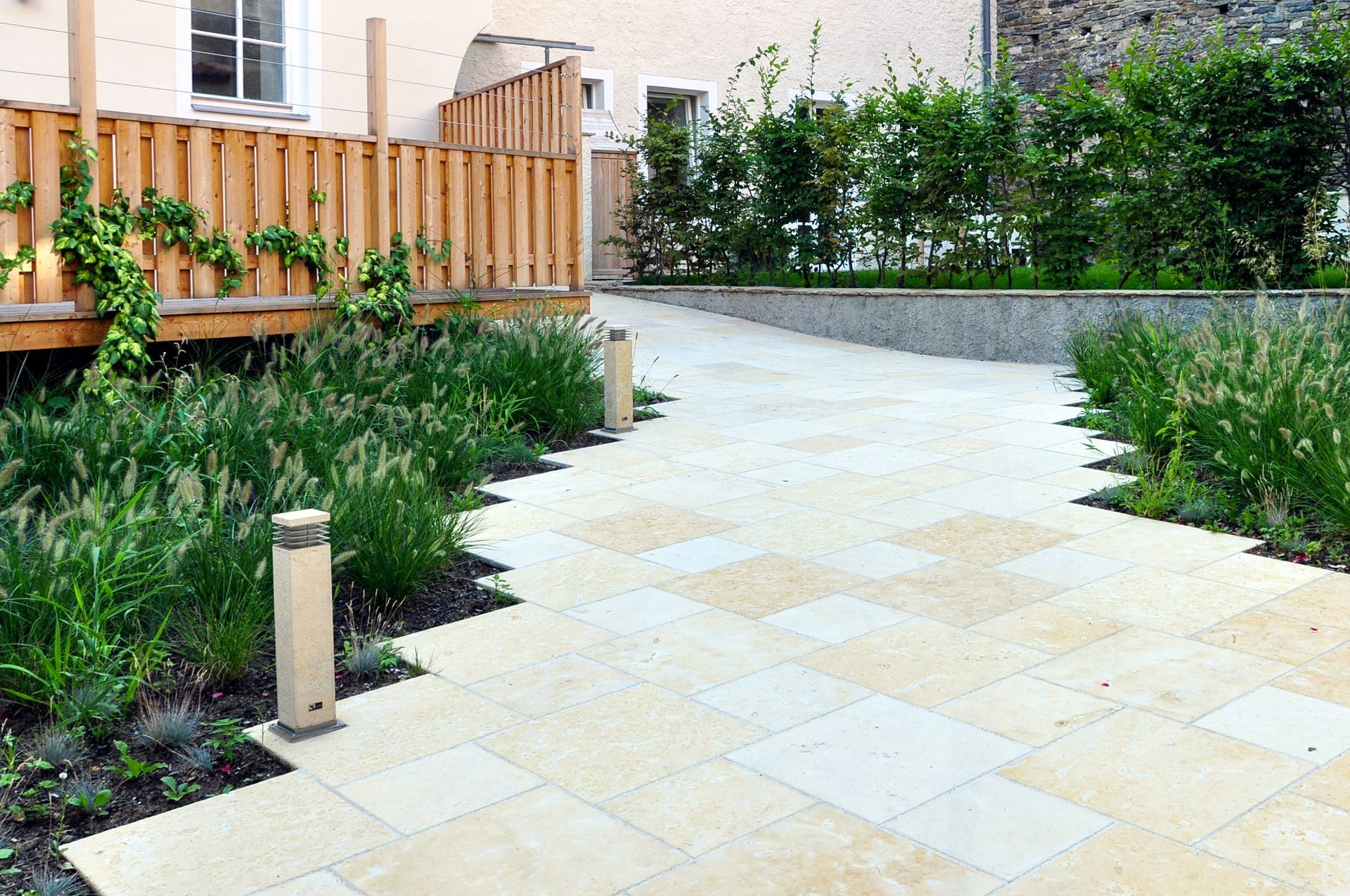
A paved stone walkway winds through a garden with green plants and low, modern light fixtures next to a wooden fence.
By Durham Hardscapes July 21, 2026
Want beautiful outdoor spaces without the upkeep? Discover low-maintenance hardscape ideas for busy Ontario homeowners and boost curb appeal.
A rectangular backyard swimming pool with blue water, surrounded by concrete decking, green hedges, and a pool heater.
By Durham Hardscapes July 15, 2026
Upgrade your pool area with safe, stylish designs. Review top materials and expert tips for long-lasting, beautiful pool surrounds this summer.
A small barberry shrub with red leaves grows in a rocky garden bed next to a black irrigation pipe.
By Durham Hardscapes July 7, 2026
Maintain a lush yard during Ontario’s hottest months with water-smart landscaping tips. Discover ideas for drought-resistant lawns and gardens.
A brick patio with a dining table under an umbrella and two lounge chairs, surrounded by lush trees and greenery.
By Durham Hardscapes June 23, 2026
Get your backyard party-ready for Canada Day! Discover design ideas for outdoor spaces that make your holiday gatherings unforgettable.
A stone patio with a table and umbrella sits in a green backyard next to a white house with trees in the background.
By Durham Hardscapes June 17, 2026
Beat the heat this summer! Learn how to choose the best shade trees and plants for your Durham garden to keep your landscape cool and beautiful.
A wooden walkway borders a gravel path, separated by a line of smooth stones alongside a bed of small, green plants.
By Durham Hardscapes June 3, 2026
Explore the best hardscape materials for walkways—stone, pavers, or concrete. Compare style, durability, and cost for your next outdoor project.