What to Know About Ontario Soil pH Before Planning New Gardens
Planting a brand new garden is an exciting project that adds immense visual appeal and value to your property. Unfortunately, many homeowners rush straight into buying expensive shrubs without evaluating the ground they intend to use. The crew at Durham Hardscapes frequently helps property owners who are frustrated by failing plants and stunted growth in their outdoor spaces. Taking the time to understand soil preparation for planting is the only way to ensure your new garden thrives.
The dirt in your yard is a complex biological system that dictates exactly what can and cannot grow successfully. Ignoring factors like soil texture, nutrient levels, and acidity leads to wasted money on vegetation that is doomed to fail. Preparing the ground properly creates a healthy foundation that supports strong root systems through every season. Knowing what steps to take before the first shovel hits the dirt gives you a massive advantage.
In This Guide
- Understanding Local Soil Conditions
- Red Flags to Watch for When Hiring a Contractor
- The Reality of Modifying Your Soil
- Questions to Ask Before Your Planting Project
- Time to Start Your Garden
Understanding Local Soil Conditions
The composition of your ground determines how well water drains and how easily roots can spread. Durham Region properties often feature heavy clay that holds moisture tightly and restricts oxygen flow to the roots. Evaluating the existing texture allows you to amend the beds with the right organic matter before installing any plants.
How do I prepare my soil for a new garden bed?
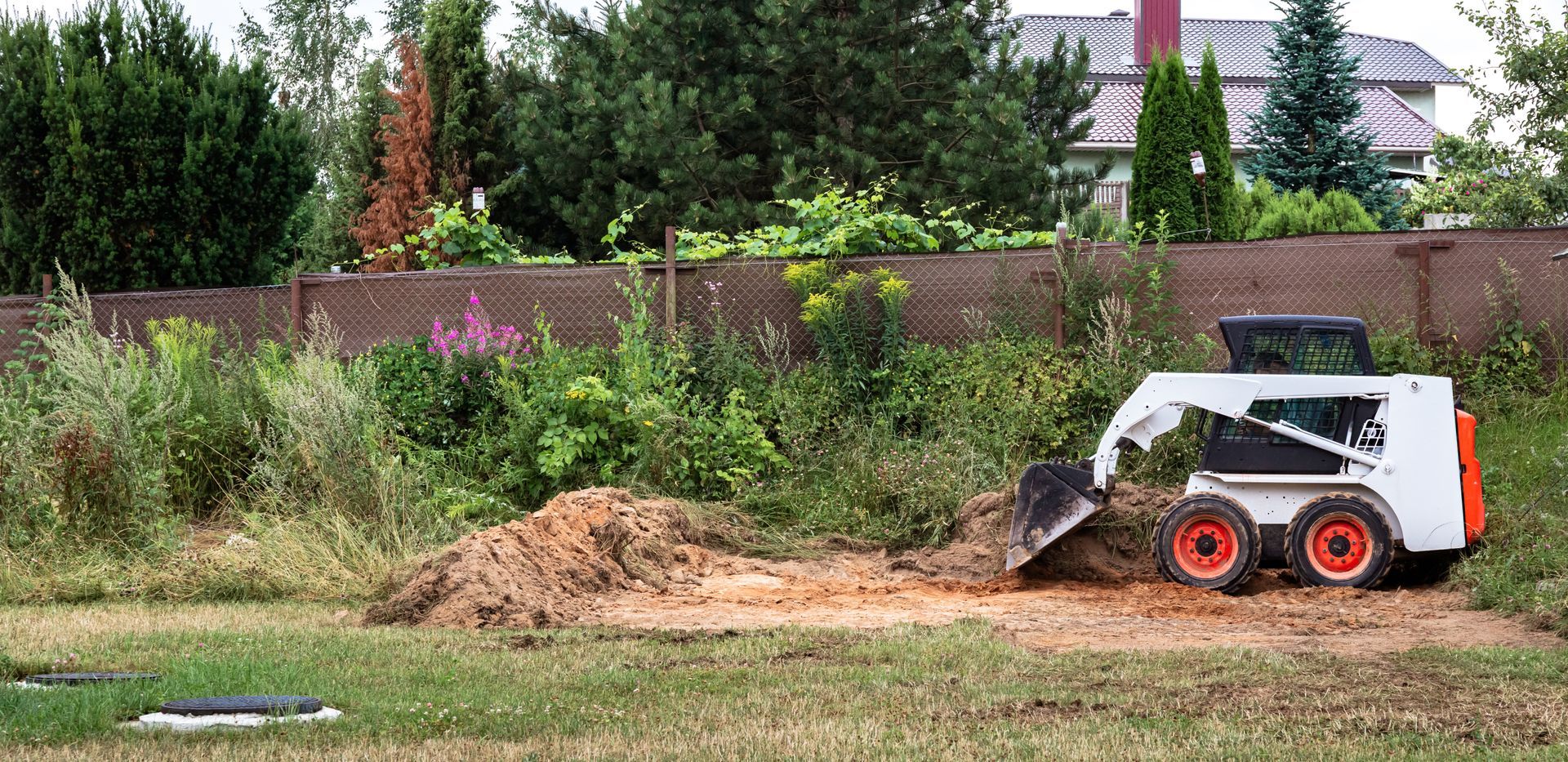
You prepare your soil for a new garden bed by first clearing away all existing weeds, rocks, and debris from the designated area. Next, you must turn the dirt over to loosen compaction and blend in a thick layer of organic compost to improve drainage and nutrient density. Testing the ground to check the pH level is the final critical step, allowing you to add lime or sulfur to balance the acidity specifically for the plants you intend to use.
• Drainage Testing: Dig a small hole and fill it with water to see how quickly the ground absorbs the moisture before planting.
• Aeration Needs: Heavily compacted areas require deep tilling to create void spaces for delicate new roots to establish themselves.
• Nutrient Baselines: Getting a professional soil test reveals exactly which fertilizers are missing from your yard.
Red Flags to Watch for When Hiring a Contractor
Handing your landscape design and installation over to a professional should relieve stress, but choosing the wrong provider causes long term headaches. You have to watch out for contractors who skip the assessment phase and immediately push for plant installation. A reputable professional always inspects the ground conditions first to guarantee the environment will actually support the vegetation.
This open communication and willingness to assess the site properly is a pattern the team at Durham Hardscapes hears regularly.
► Client Experience: My Neighbor and I went in together to have some landscaping done between Our Homes. That in itself can be difficult. Christian, the sole proprietor, came out himself to survey and give quotes. The ability to LISTEN = 9, have reasonable quotes = 9, has a Good Team = 9, Good Communication Skills = 9, Respectful = 9, Reliable = 9, Trustworthy = 9, open to ideas 'Outside the Box'= 9, uses Good Materials = 9, Hard Working = 9, cleaned up work space 'EVERY' day before leaving = 9, Finished Project = 10. Durham Hardscape IS indeed the Quintessential example of what a business should be. Now, there is only 1 Landscape Company in My Book: Durham Hardscape. Well Done!!!!
Partnering with a reliable team ensures your yard gets the careful preparation it needs to succeed.
• No Site Visit: Contractors who quote a planting job without looking at the soil texture or sunlight exposure are guessing at the outcome.
• Pushing Non-Native Species: Be wary of crews that recommend exotic plants that are notoriously difficult to keep alive in the local climate.
• Skipping Amendments: Anyone who plans to dig a hole and drop a plant directly into hard clay does not understand basic trade practices.
The Reality of Modifying Your Soil
Changing the biological makeup of your dirt is a slow process that requires patience and exact measurements. You cannot completely alter the pH overnight just by dumping bags of chemicals onto the surface. The materials need time to break down and interact with the existing soil biology to create a stable environment.
• Ph Adjustments: Adding sulfur lowers the pH for acid loving plants, while agricultural lime raises the pH to neutralize acidic dirt.
• Organic Matter: Compost acts as a buffer that improves the structure of both sandy and heavy clay environments simultaneously.
• Settling Time: Amended beds should sit for several weeks before planting so the soil structure can stabilize naturally.
Questions to Ask Before Your Planting Project
Entering a consultation with the right questions protects your investment and sets clear expectations for the work. You need to know how the contractor plans to support the plants during the vulnerable establishment phase. Asking direct questions about the preparation methods separates knowledgeable experts from fast talking laborers.
• Plant Sourcing: Ask the provider where they purchase their plants to ensure they source healthy stock from reputable local nurseries.
• Warranty Terms: Find out exactly what the guarantee covers if a newly installed shrub dies within the first few months.
• Maintenance Needs: Request a clear watering and feeding schedule so you know exactly what is required to keep the bed thriving.
Time to Start Your Garden
Building a beautiful garden starts long before you ever choose the colors or styles of the plants. Taking the ground preparation seriously creates a rich environment that drastically reduces the amount of maintenance required later on. You have the power to turn a barren patch of dirt into a flourishing landscape by focusing on the fundamentals. Reach out to a dedicated landscape design professional to test your soil and plan a sustainable planting strategy.
Share This Blog